Greywater
This refers to water from baths, the kitchen, washing machines and dishwashers. That is, all domestic water except toilet water. This water is easier to treat.
The recommended treatment is the installation of a Grease Separator. When the goal is to reuse the greywater, it is recommended to combine it, downstream, with a small Macrophyte Bed.
The grease present in the water, when not removed, is often responsible for blockages, bad odours, and contamination of soil and water resources.
Blackwater
This refers to water coming from toilets. In addition to the high concentration of nutrients (which must be properly removed), this water presents further challenges to water purification due, among other things, to the presence of bacteria, viruses and parasites.
The best domestic sanitation solution for the purification of blackwater is the Fito-ETAR.
Macrophyte Bed (Fito-ETAR)
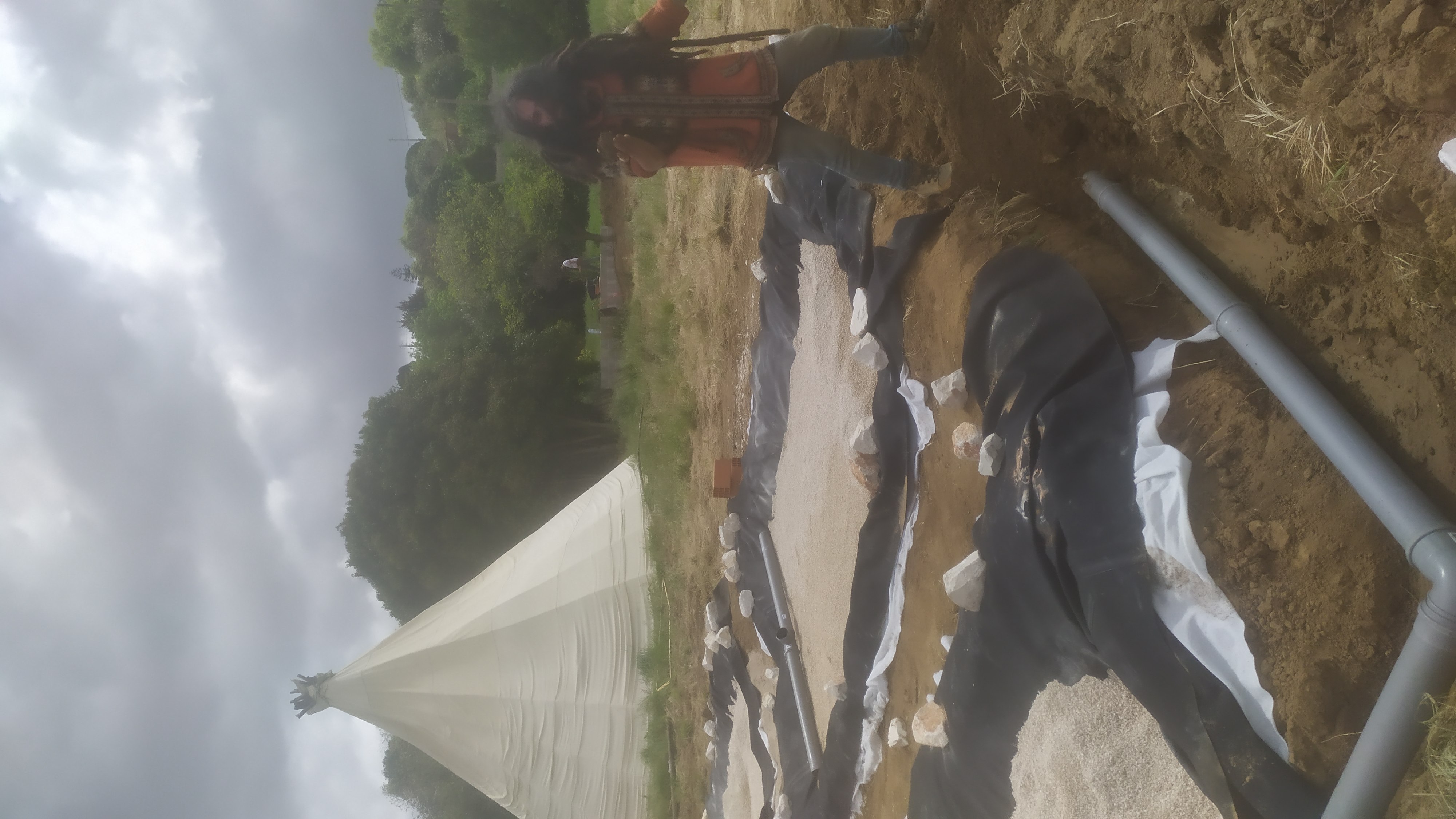
They are used in parallel and downstream of the septic tank. The water (generally blackwater) converges into a series of successive Beds, usually 3 to 4. They are a ground-level structure, impermeable and filled with gravel (which completely covers the water level) into which the water from the septic tank flows.
Here the biofilm breaks down the organic particles and the plants absorb the result of this biological activity. In this way the organic matter is decomposed, absorbed and removed from the blackwater.
The result is treated domestic water and an odour-free area. The resulting water can be directed (provided it meets legal requirements) to the soil or a line of trees. It should not be directed to agricultural areas.
Grease Separators
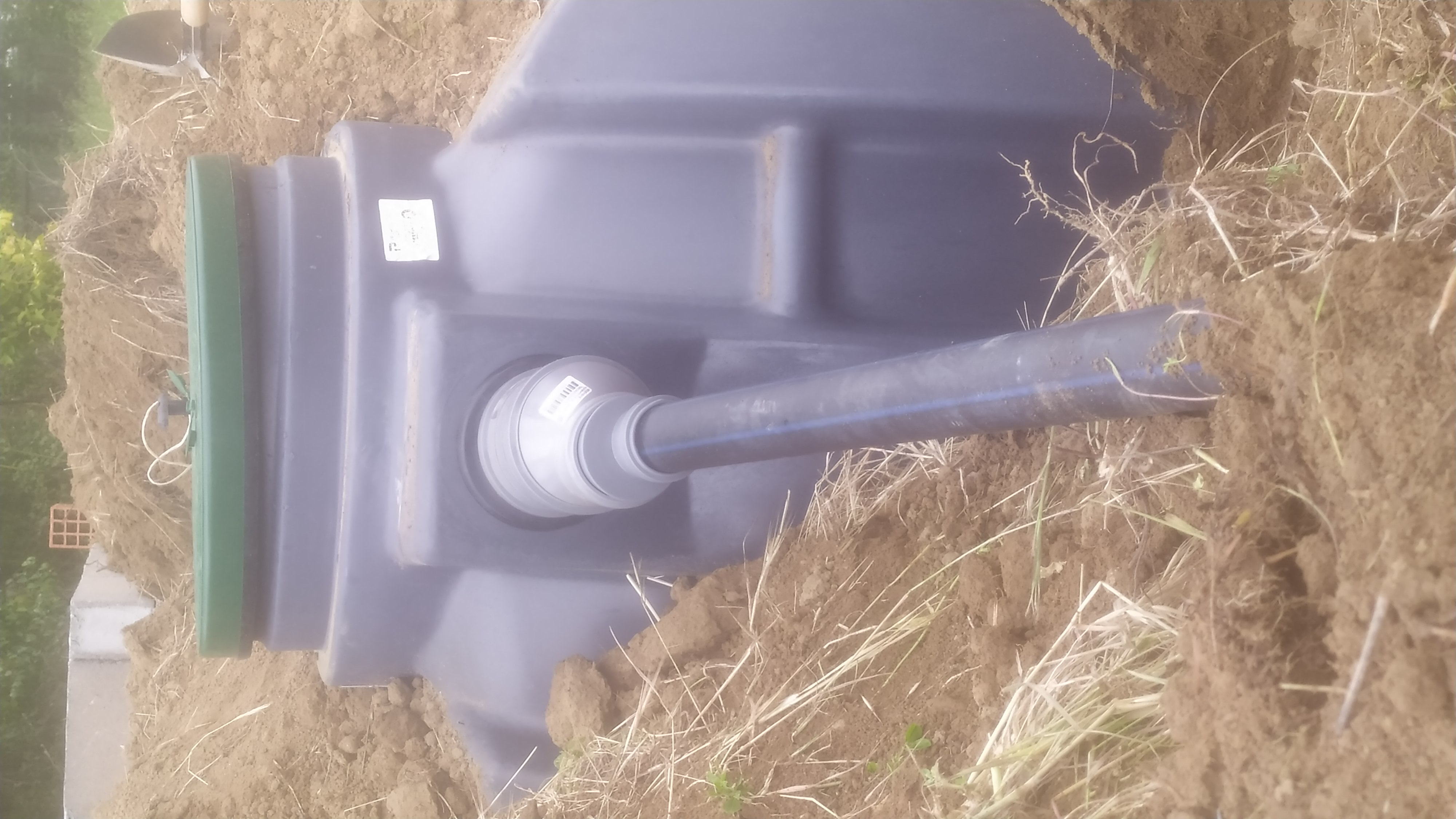
Of various types, with various volumes and with applications ranging from countertop to buried tank.
Frequently, they are also used (greywater) downstream of the grease separator to remove dissolved organic matter, when high-intensity use of the greywater ecosystem is anticipated.